
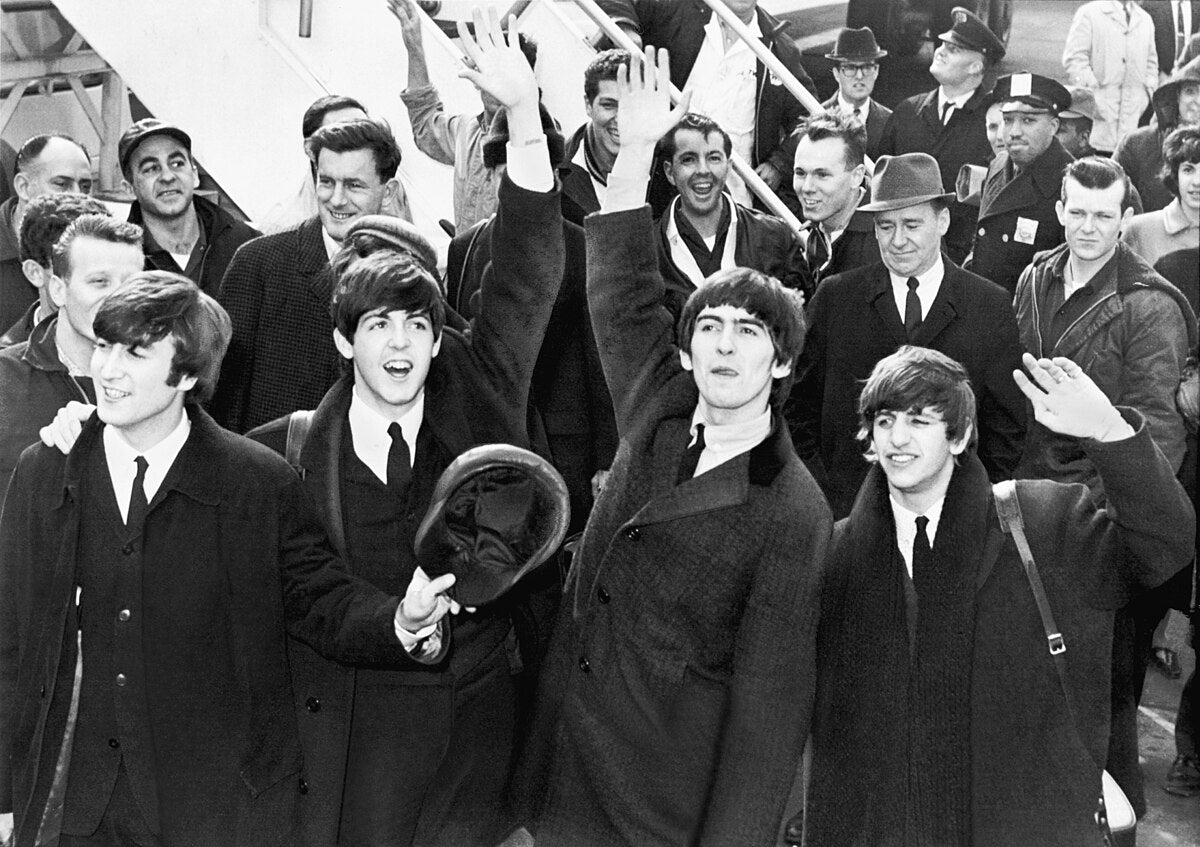
The plane touched down at JFK Airport. The screaming began before the doors even opened.
It was February 7, 1964, and America was about to be hit by something louder than politics, faster than trends, and bigger than any band before them: The Beatles. With mop-top haircuts, cheeky grins, and transatlantic charm, John, Paul, George, and Ringo. Within days, they would own the airwaves, steal the headlines, and change American culture forever.
February 7 – Beatlemania Touches Down
Picture it: JFK Airport, New York. Between 3,000 and 5,000 fans (depending on who you ask) were already there, shrieking, holding signs, and climbing on anything that gave a better view.
The Beatles, shaggy hair and all, grinned their way through a chaotic press conference. One reporter sneered, “Are you going to sing for us?” — and John shot back, “We need money first.” The jokes, the charm, the haircuts: America didn’t quite know what hit it.
February 9 – The Night TV Stopped
Two days later, The Beatles walked onto The Ed Sullivan Show — and into 73 million American living rooms. That’s about a third of the U.S. population at the time.
They kicked things off with “All My Loving,” slid into “Till There Was You,” belted out “She Loves You,” and closed with “I Saw Her Standing There” and “I Want to Hold Your Hand.”
And about that myth you’ve heard — that crime dropped across America during the broadcast? Fun story, but totally false. It was a tongue-in-cheek comment that turned into folklore.
February 11 – Washington, D.C.
First concert. Washington Coliseum. Imagine a boxing ring packed with 8,000 fans, with the band spinning their gear around so every corner of the arena got a glimpse. The screaming? Deafening. Police could barely hear their radios.
February 12 – Carnegie Hall
From a boxing ring to Carnegie Hall in less than 24 hours. The Beatles played two sold-out shows at the legendary venue — the kind usually reserved for classical virtuosos. Critics wrote with equal parts awe and panic, one headline famously quipping: “More hysteria than Handel.”
Mid-February – Charts & Miami Heat
By the middle of the month, The Beatles were already storming the charts. “I Want to Hold Your Hand” and “She Loves You” were sitting pretty at #1 and #2. Capitol Records could barely keep up with demand.
Then came Miami. On February 16, the band’s second Ed Sullivan appearance aired live from Miami Beach. Palm trees swayed, girls fainted, and new songs like “This Boy” and “I Saw Her Standing There” cemented their grip on the South.
This was also when they crossed paths with a young Cassius Clay (Muhammad Ali), who was training in Miami. The photos of them goofing around in the boxing ring became instant pop-culture gold — even if the press “turnaround” stories that followed are a bit over-romanticized.
February 22 – Homeward Bound
And just like that, it was over — for now. On February 22, The Beatles boarded a flight back to England. Behind them they left shattered sales records, swarms of breathless fans, and a music industry scrambling to catch up.
Radio stations re-programmed overnight. America’s sound was suddenly younger, brasher, and British. The “British Invasion” wasn’t coming. It had already begun.
THE PRESS
AT THE TIME
From London to New York, newspapers rushed to find words big enough to match the noise.
The Daily Mirror went straight for volume, filling its front page with three words that echoed the chant of their fans:
“YEAH! YEAH! U.S.A.!”
The Daily Express reached for satire as well as spectacle, running a headline that teased as much as it reported:
“The ‘BUGS’ ARE HERE!”
The Western Daily Press captured the sheer disbelief of the moment, noting that even Hollywood icons had never drawn such chaos at an airport. Its banner declared:
“Beatlemania Hits U.S. – We Love You, Cry the Frenzied Thousands”
Across the Atlantic, American editors seized on the language of invasion, their wire services sending the phrase nationwide beneath jubilant photographs:
“Wild Reception – Beatles Invade U.S.”
And in New York itself, one local paper distilled it to the simplest possible welcome, splashed across the top of its edition:
“BEATLES HERE! Crowds Give Big Welcome.”
LEGACY:
The Beatles’ 1964 invasion wasn’t just a tour, it was a shift in the cultural axis. They weren’t selling rebellion. They were selling joy, and it was infectious.
They left America dancing, dreaming, and listening. And they never looked back.
Read the Beatlemania Years
Screaming fans. Stunning headlines. A sound that re-wrote music.
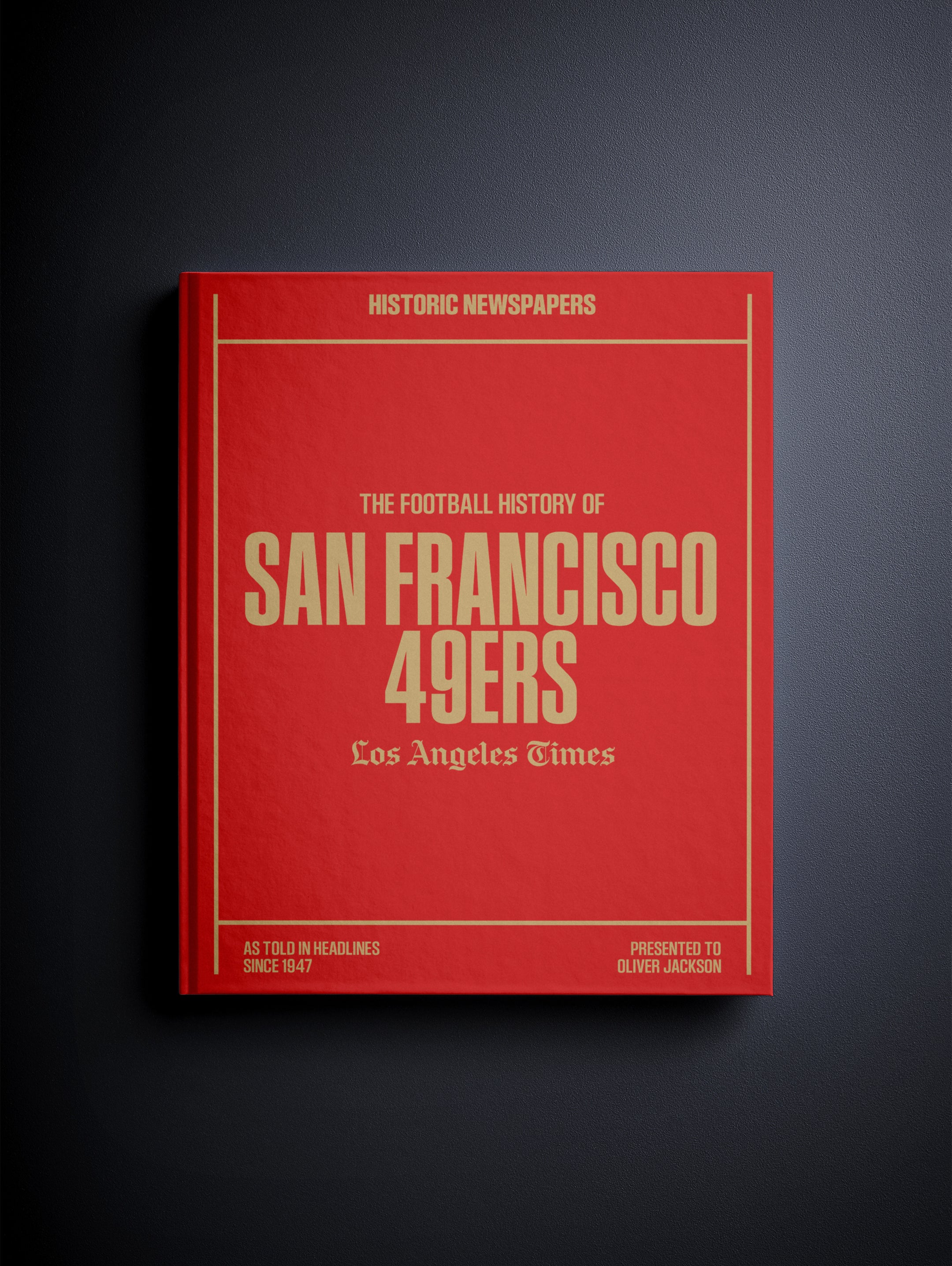
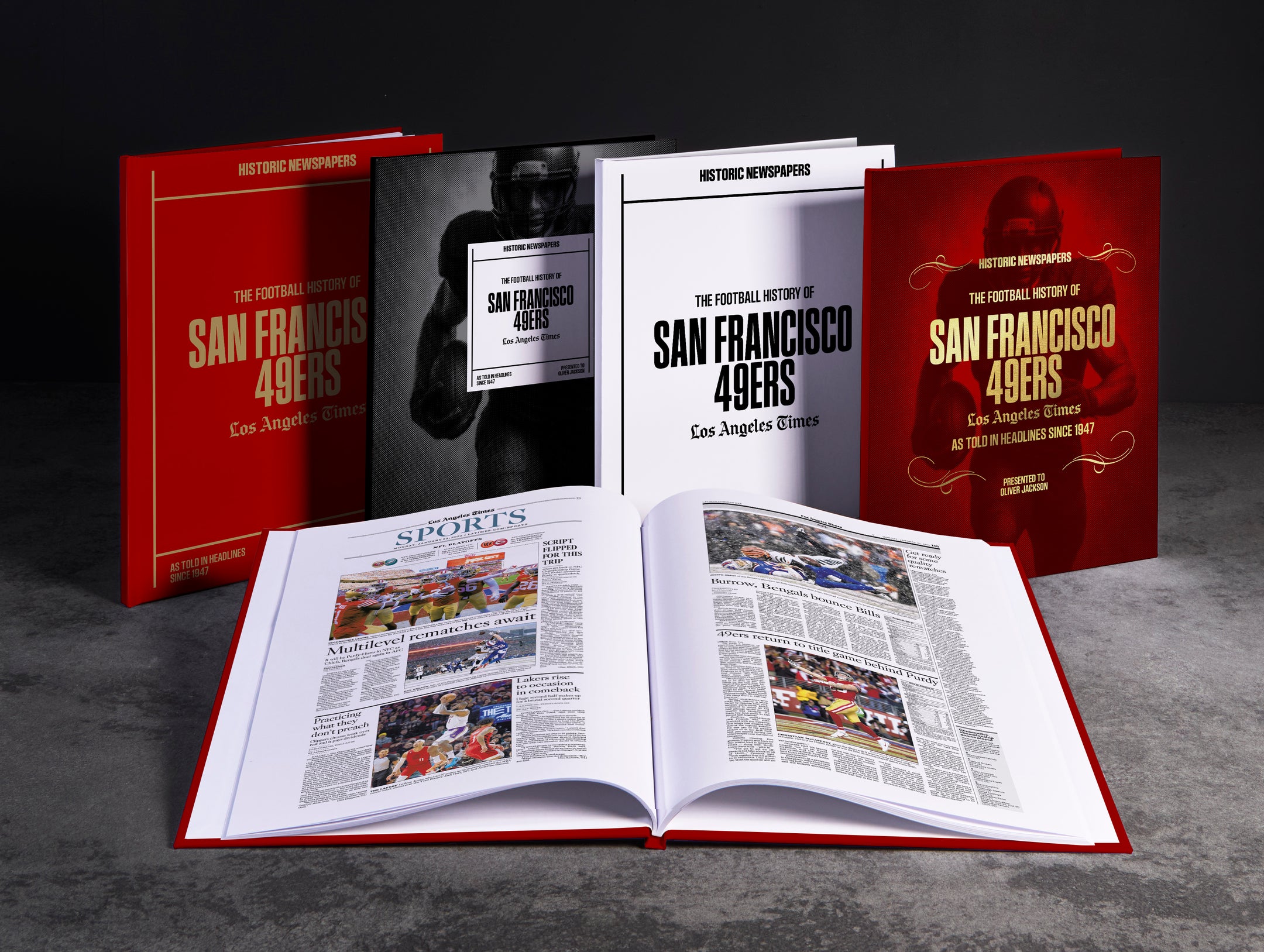
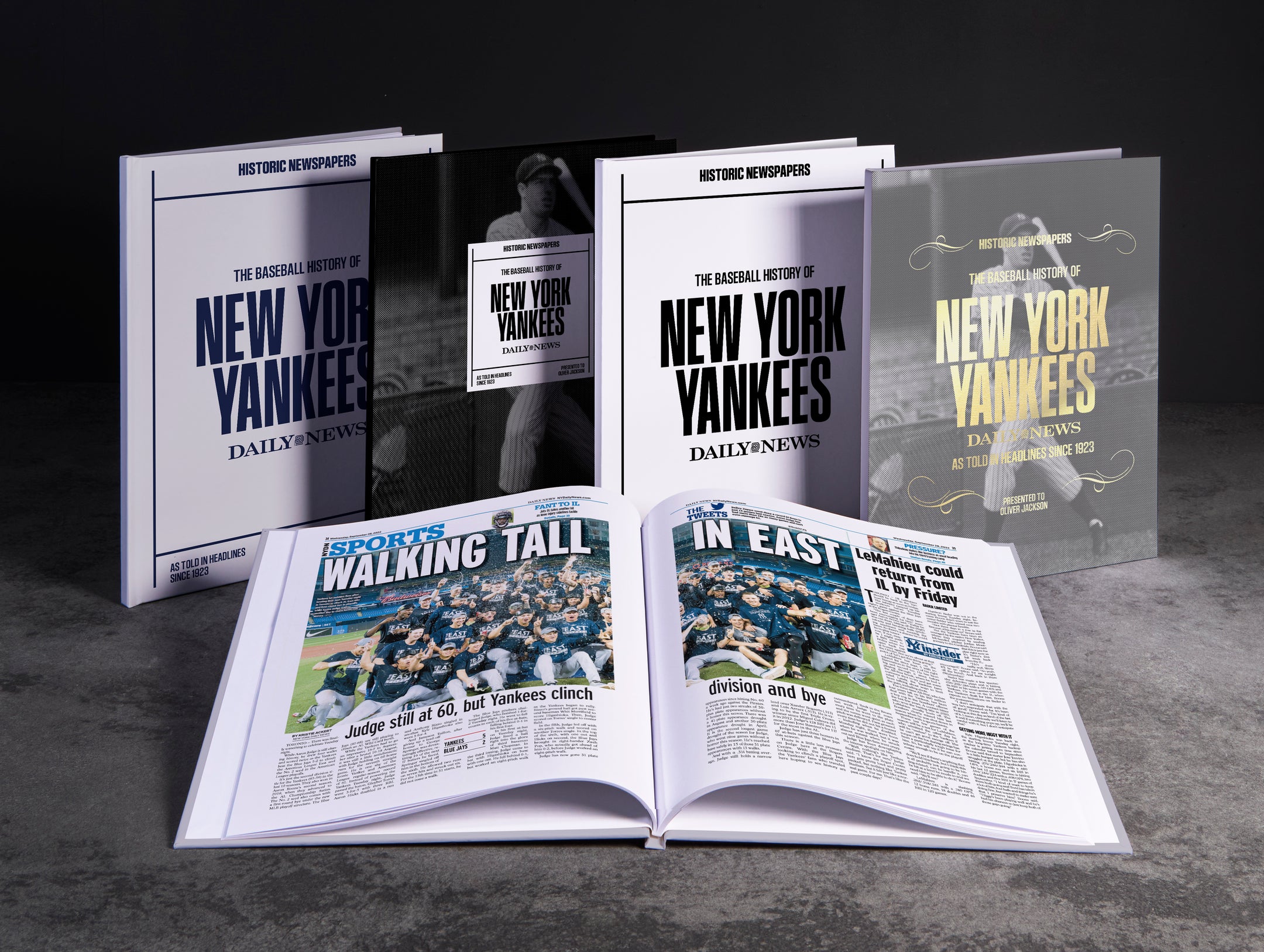
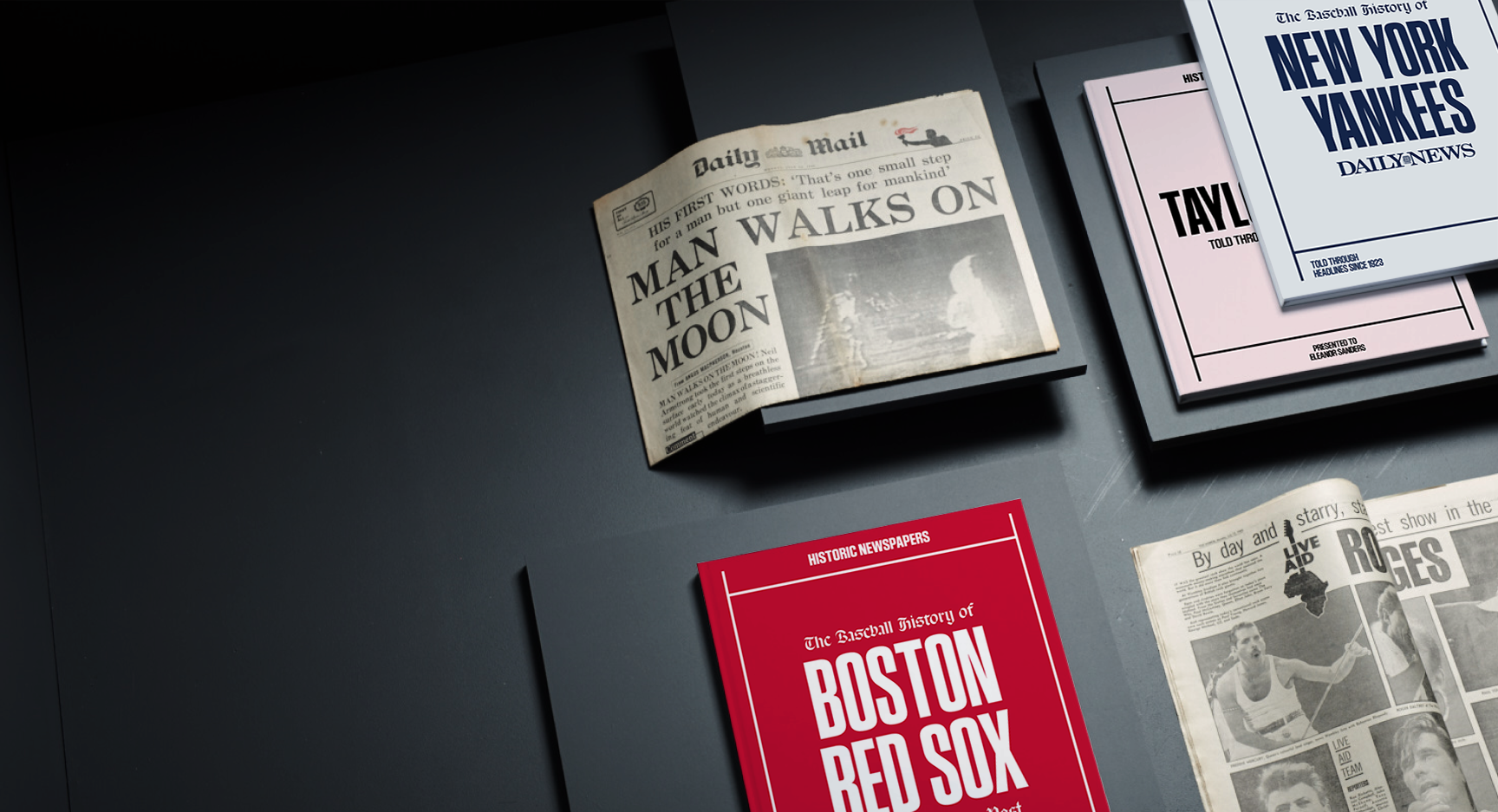
Our Beatles History Book captures the chaos and charm of Beatlemania, with over 210 pages of original Daily Mirror reports, rare photos, and front-page moments.











Follow us