

As the football history books show, over the years numerous British clubs have played out some of the most dramatic climaxes in the history of sport, immortalised by their accompanying television commentary, be that “And Solskjaer has won it”, “They think it’s all over… it is now” or quite simply “Aguerooooo!”
“The Greatest Story Ever Told”
But perhaps the most remarkable ending of them all occurred at Anfield on the 26th May 1989. Liverpool and Arsenal, the top two teams in Division One, battled it out for the league championship on the final day of the season, in a match that, amongst other things, has gone on to inspire the feature-length documentary ‘89, and the best-selling Nick Hornby novel Fever Pitch.
In the build-up to the game, there was no question which team were the overwhelming favourites. Not only had Arsenal gone eighteen years without winning the league (during which time Liverpool had won no less than ten titles), but they hadn’t won a single game at Anfield in fifteen. Liverpool, the defending champions, were enjoying yet another successful campaign, unbeaten since New Year’s Day, and entering the game on the back of an F.A. Cup final win over Everton six days earlier.
Written Off
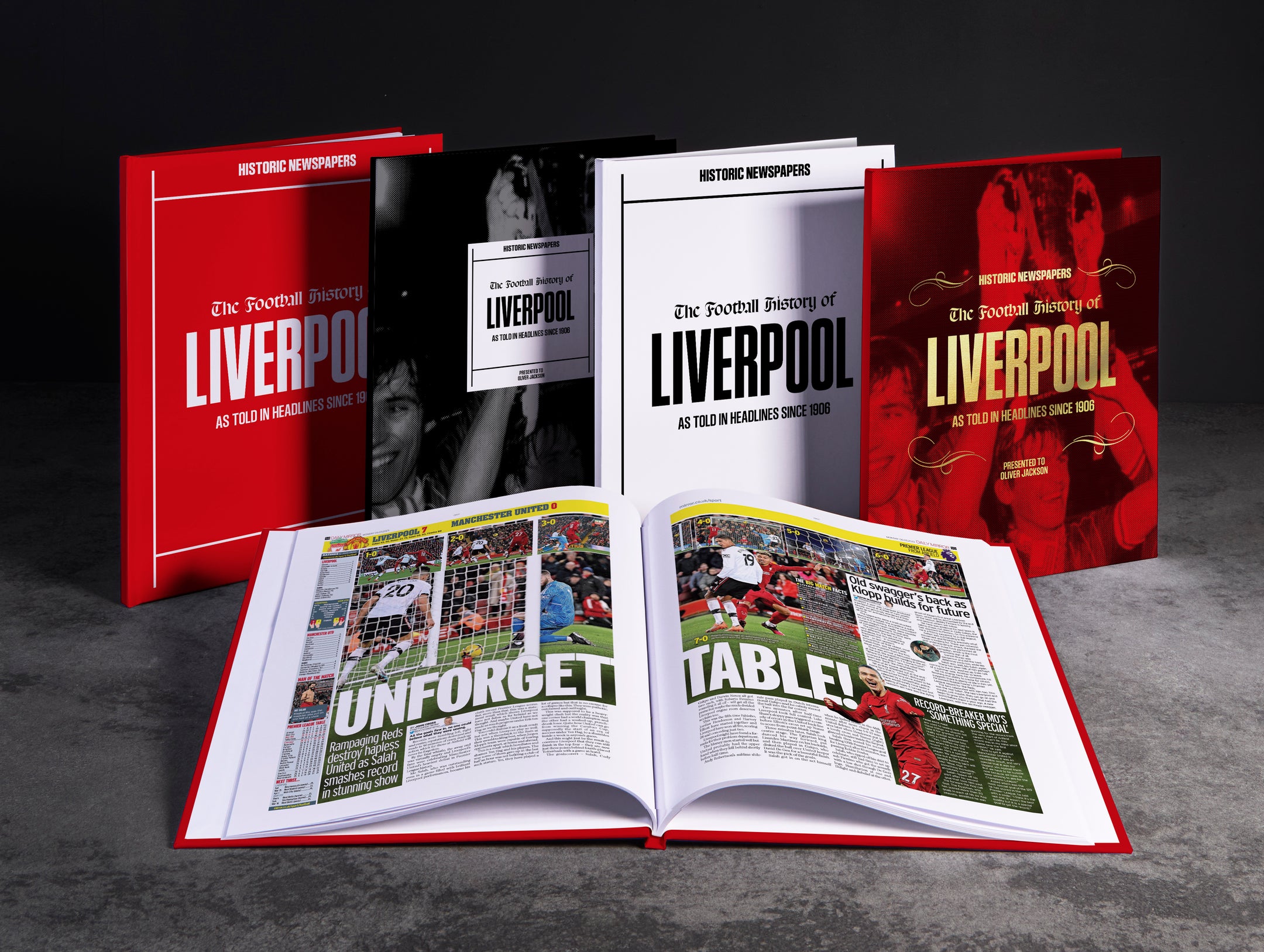
This title decider, then, was also a chance for Kenny Dalglish’s side, comprised of Messrs Barnes, Hansen, Rush and Aldridge (the latter pair having never lost a game when starting together), to achieve their eighth league and cup double, all coming within those eighteen years, undoubtedly the most dominant period by one club in the history of the English game, and one explored extensively in our exquisite personalised Liverpool book

And finally, if the order wasn’t quite tall enough, due to a slightly inferior goal difference Arsenal needed to not just merely win the game, but win it by two clear goals, a feat no team had managed at Anfield in over three years. No wonder, then, that the Daily Mirror’s sport section led with the headline “You Haven’t Got a Prayer, Arsenal.”


Waiting to Pounce
Despite needing to score at least twice to stand any chance, the Gunners set out with a back five, something of a surprise to pundits and spectators alike. This, however, would prove to be a shrewd move, as Arsenal comfortably weathered an early storm from the hosts.
Then, on the half-hour, a turning point: the talismanic Ian Rush, who three years later would become Liverpool’s all-time top goal-scorer, hobbled out of the match with a groin strain. The visitors would make it to the break with the tie still goalless.
The Second Half
Seven minutes after the restart, Arsenal finally get a foot in the door. An in-swinging free-kick from Nigel Winterburn is deftly glanced into the corner by the league’s top scorer Alan Smith. Despite Liverpool protests of offside or pushing, the goal stands.
As the minutes tick away, the game opens up, with Arsenal pushing forward, needing to score again, and in the process leaving gaps in their own defence, which Liverpool twice very nearly manage to exploit via Aldridge and Ray Houghton. With a minute left on the clock, Steve McMahon raises a solitary finger to his team-mates, indicating a job very nearly done. But not quite.
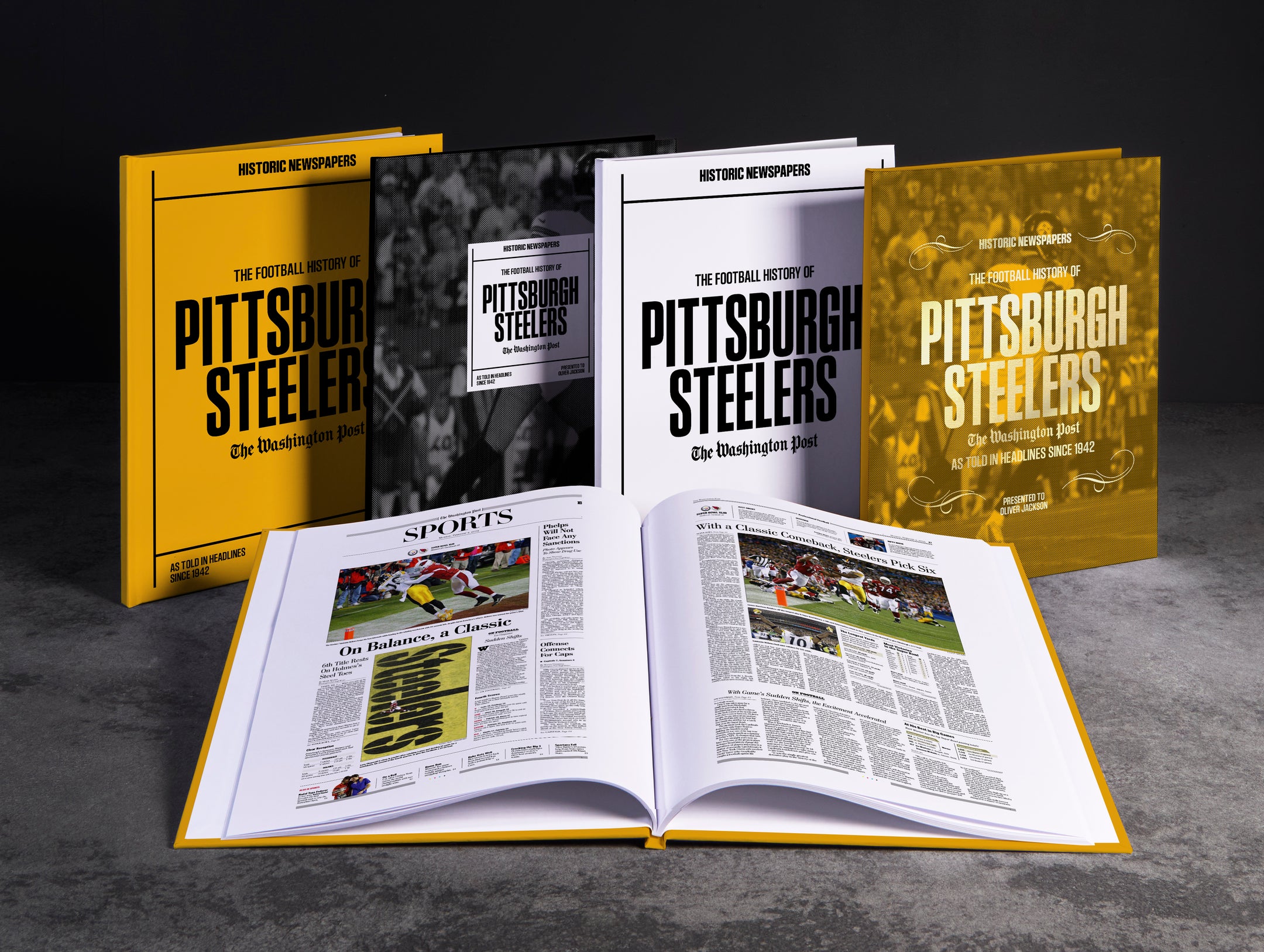
Shop our Historic Newspapers book on The Football History of Arsenal to learn more through newspaper headlines!

“Graham Lives Up to His Bold Title Promise”
Deep into injury time, John Barnes, arguably Liverpool’s best player on the day, loses possession in the Arsenal penalty area. Lukic rolls the ball to Lee Dixon, who hopefully launches the ball forward. Alan Smith flicks it on, finding the rampaging Michael Thomas on the overlap.
In an attempt to bring the ball down, Thomas is the beneficiary of a charitable bobble off of Steve Nicol, and finds himself clean through on goal. Commentator Brian Moore, who only minutes earlier had remarked that it appeared the title would be Liverpool’s, utters the famous line “It’s up for grabs now”.
And grab it Thomas does, firing past Bruce Grobbelaar, and celebrating with a forward roll on the turf. Arsenal champions, with almost the final kick of the entire season.
After professing the Gunners hadn’t got a prayer the day before, the Mirror’s headline the day after aptly read “Miracle Men.”

A Football Renaissance
As skipper Tony Adams lifted the trophy, one of many great moments remembered in our Arsenal history book, the Liverpool faithful remained in the stands to applaud the victors. After the tragic events of Heysel and Hillsborough, British football had been crying out for a rebirth, and the 1989 Division One decider certainly provided it, with many considering it to be the catalyst for something of a footballing renaissance, culminating perhaps in the formation of the Premier League three years later.









Follow us