
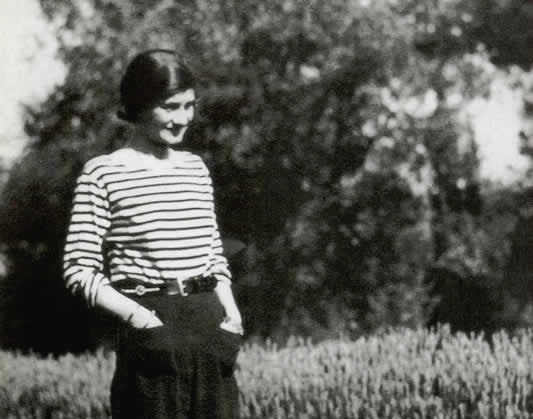
She wore black at a time when women were expected to shine. She cut her hair, discarded corsets, and declared that elegance could be effortless.
In the smoke and shimmer of 1920s Paris, one woman reshaped not just how fashion looked—but how freedom felt.
Her designs liberated women from Victorian restraint and laced the decade with style, simplicity, and subversion.
TIMELINE

1918–1920: A World Remade — and So Was She
After the Great War, women began shedding 'corsets, gussets, garters, whalebones, plackets, false hair, and brassières' casting off the mystery of excess for a new kind of freedom. Chanel gave that freedom a silhouette.
In 1918, Gabrielle Chanel acquired 31 Rue Cambon, launching a couture house that rewrote the rules. Gone were the heavy layers and rigid lines. In their place: soft jersey dresses, flowing blouses, and clothes made to move.

1921: The Scent of Modernity — Chanel No. 5 Launches
Chanel didn’t just make clothes, she crafted a signature scent that redefined femininity. On May 5, 1921, she launched Chanel No. 5, the first designer fragrance to blend abstract aldehydes with marketing genius. It wasn’t just perfume, it was modernism in a bottle.
1922–1925: Cardigans and Chic Rebellion
Chanel popularized cardigan jackets made from soft jersey — a revolutionary twist on menswear adapted for women. It was fashion that followed function: easy to wear, easy to live in.
1925: The Chanel Suit
It was understated but radical: a collarless, boxy jacket paired with a straight skirt. Gold chains were stitched into the hem to keep it sitting just right. Designed for elegance and ease, the Chanel suit gave women an alternative to excess — and a symbol of quiet power.

1926: The Little Black Dress
When Vogue unveiled Chanel’s black crepe de Chine dress, they called it “the Ford of fashion” — simple, streamlined, and universally wearable. Once reserved for mourning, black became the ultimate expression of effortless glamour.
1927–1929: An Empire in Motion
By the end of the decade, Chanel had extended her reach into jewellery, beauty, and global influence. She had conquered not just Paris salons but the front pages of the international fashion press.
COMMENTARY FROM
THE TIME
While daily newspapers of the 1920s often covered fashion in brief, period magazines and cultural commentary reveal how Chanel was perceived in her time:
-
Harper’s Bazaar, 1923 — Chanel herself famously declared:
“Simplicity is the keynote of all true elegance.” -
Harper’s Bazaar, 1915 & 1917 — observed that Chanel’s styles were “on the list of every buyer,” underscoring the demand for her early designs.
-
The New Yorker, 1931 (Janet Flanner, “31 Rue Cambon”) — offered one of the most striking cultural reflections on her impact:
“Women were full of gussets, garters, corsets, whalebones, plackets, false hair, and brassières. In short, as the men passionately muttered, women were full of mystery.”
Her Legacy
Chanel’s real legacy wasn’t fabric. It was freedom.
She unstitched the rules, re-cut the silhouette, and tailored a world where beauty didn’t demand permission. Her impact endures not because of any single design but because she proved that less could be more, and that elegance, above all, could be lived in.
UNCOVER THE STORIES BEHIND STYLE
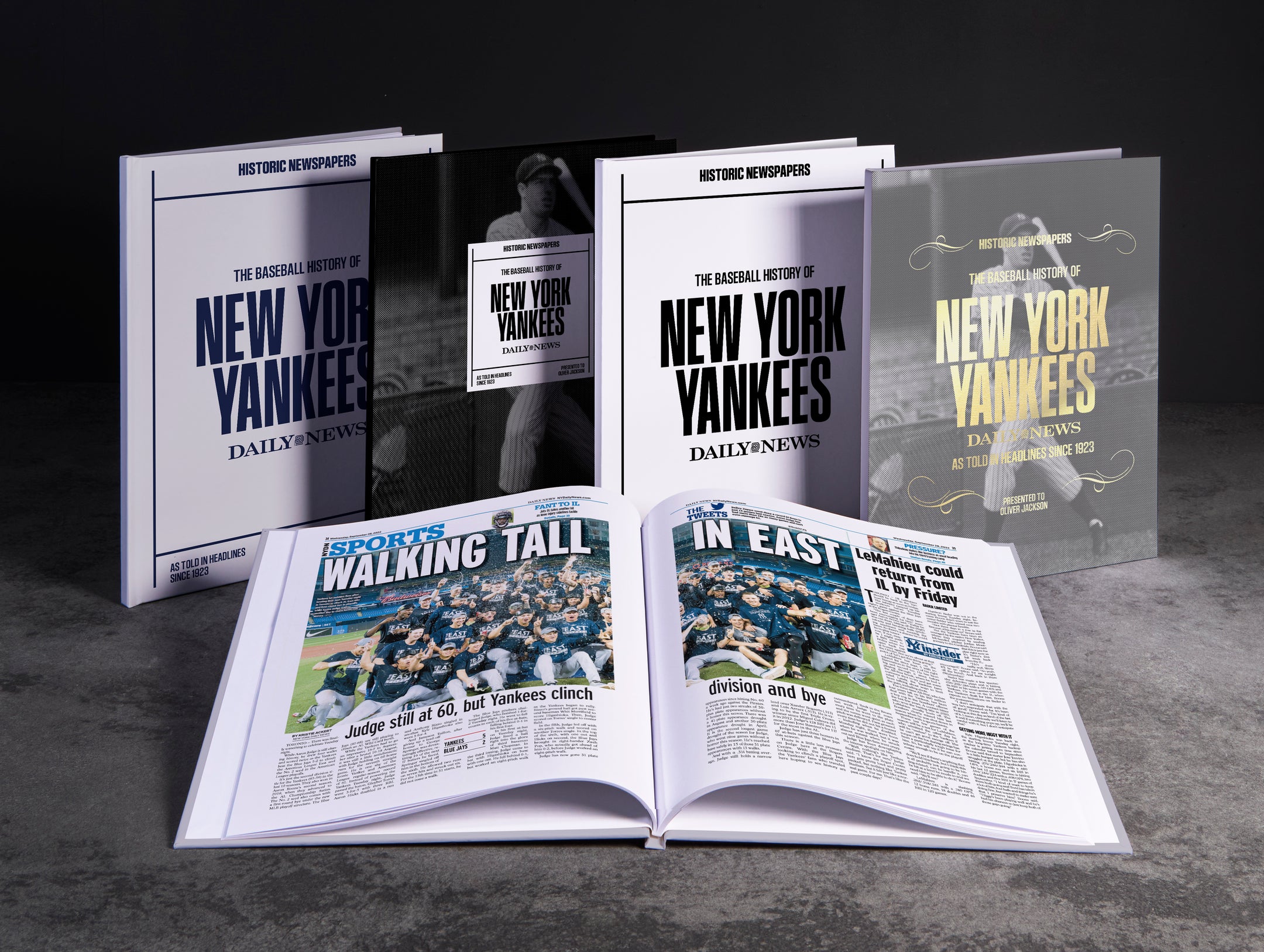
Trace the rise of Coco Chanel and other style icons through original articles from The Telegraph.
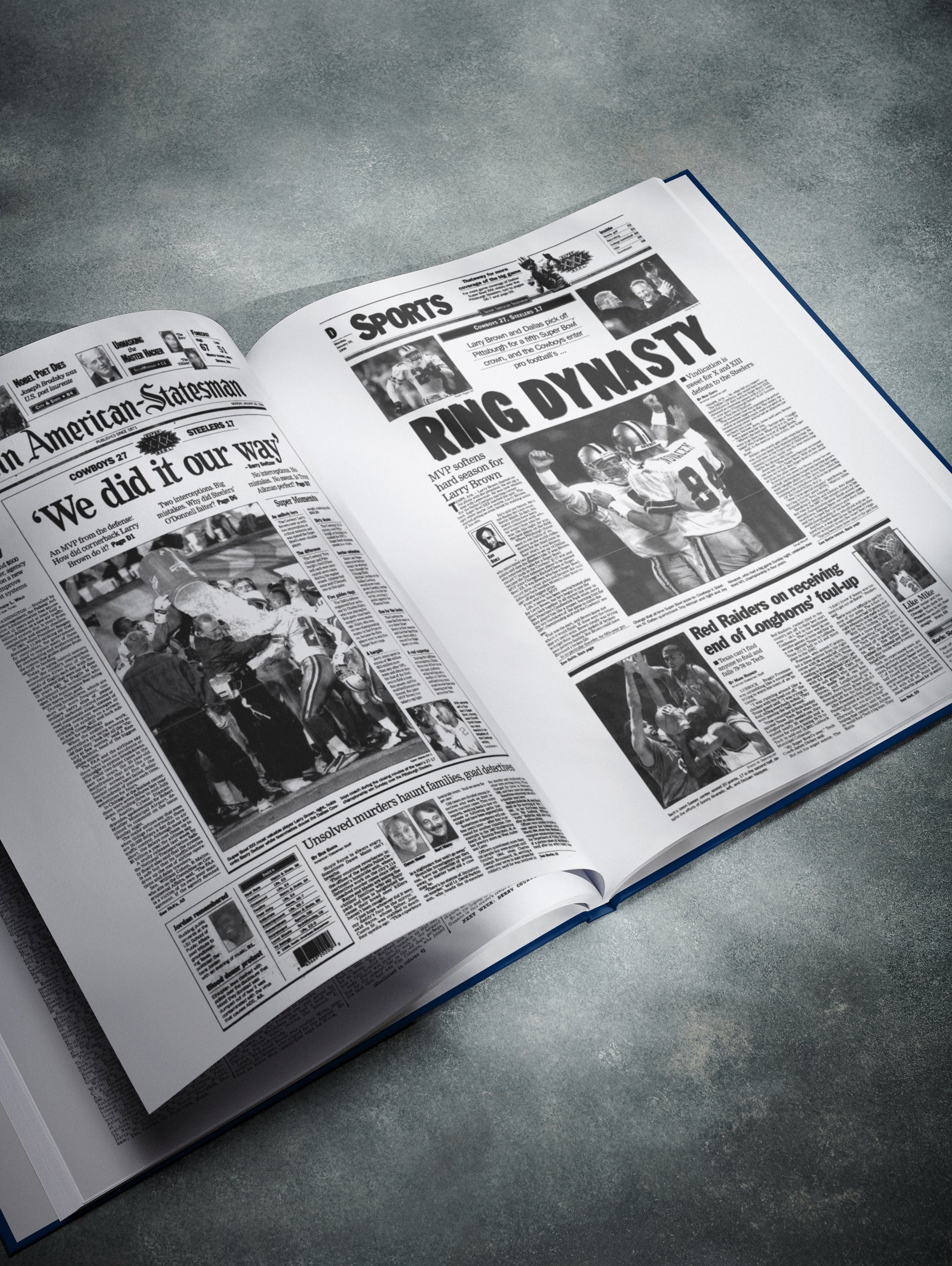
This beautifully bound collection of newspaper reports spans over 170 pages of fashion history, exactly as it was reported at the time.














Follow us